Rim and Return Built-Up Signs – All You Need to Know
Still the go-to for many custom sign projects
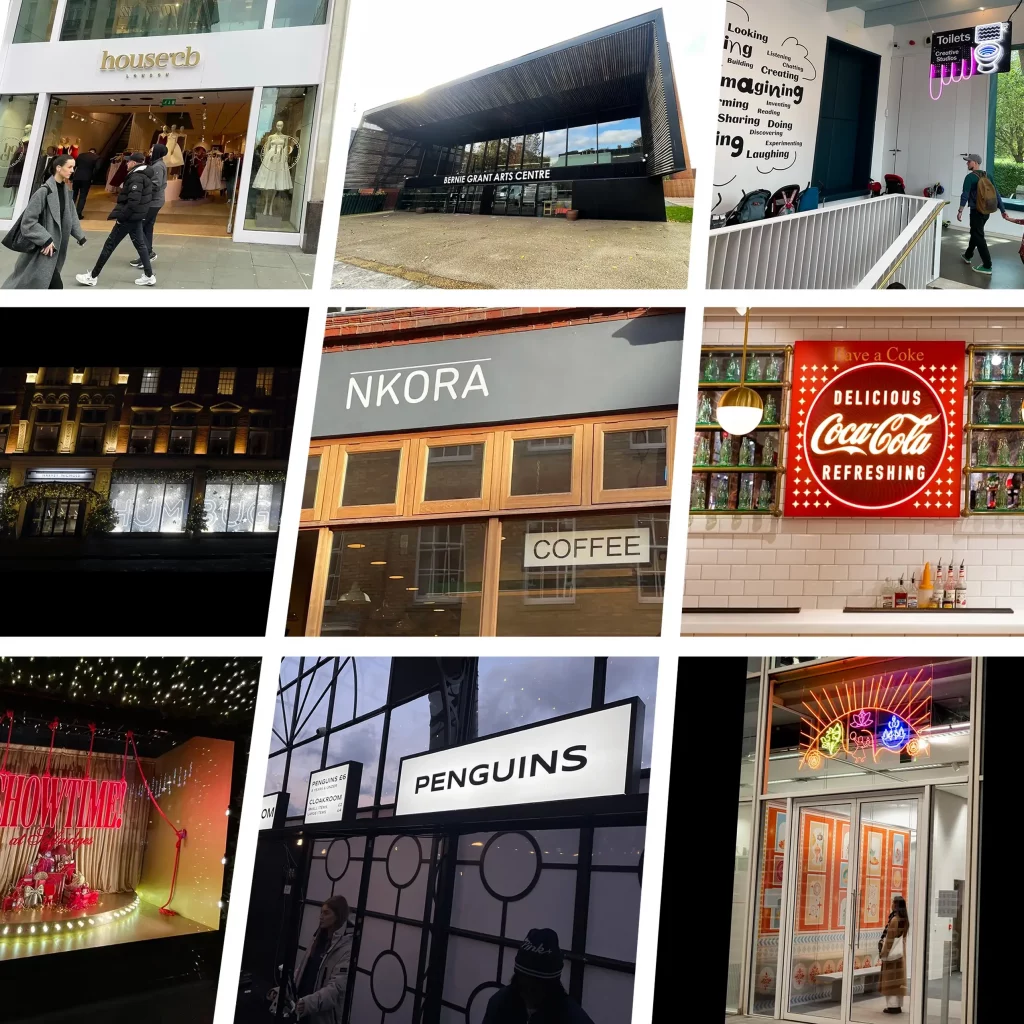
Rim and return built-up signs have been around for years, and there’s a reason they haven’t gone anywhere. They strike a balance that’s hard to beat, being high-profile, professional, and custom-made ones can replicate pretty much any design or logo.
 There’s a noticeable difference between a business that blends in and one that quietly stands out. It’s not always louder branding or brighter colours—more often, it comes down to how the name is presented by the signage itself. Employing a well-known and highly respected signmaker like Carousel Lights will mean the return you get from a minimal investment in your signage will pay dividends.
What is a rim and return letter or sign?
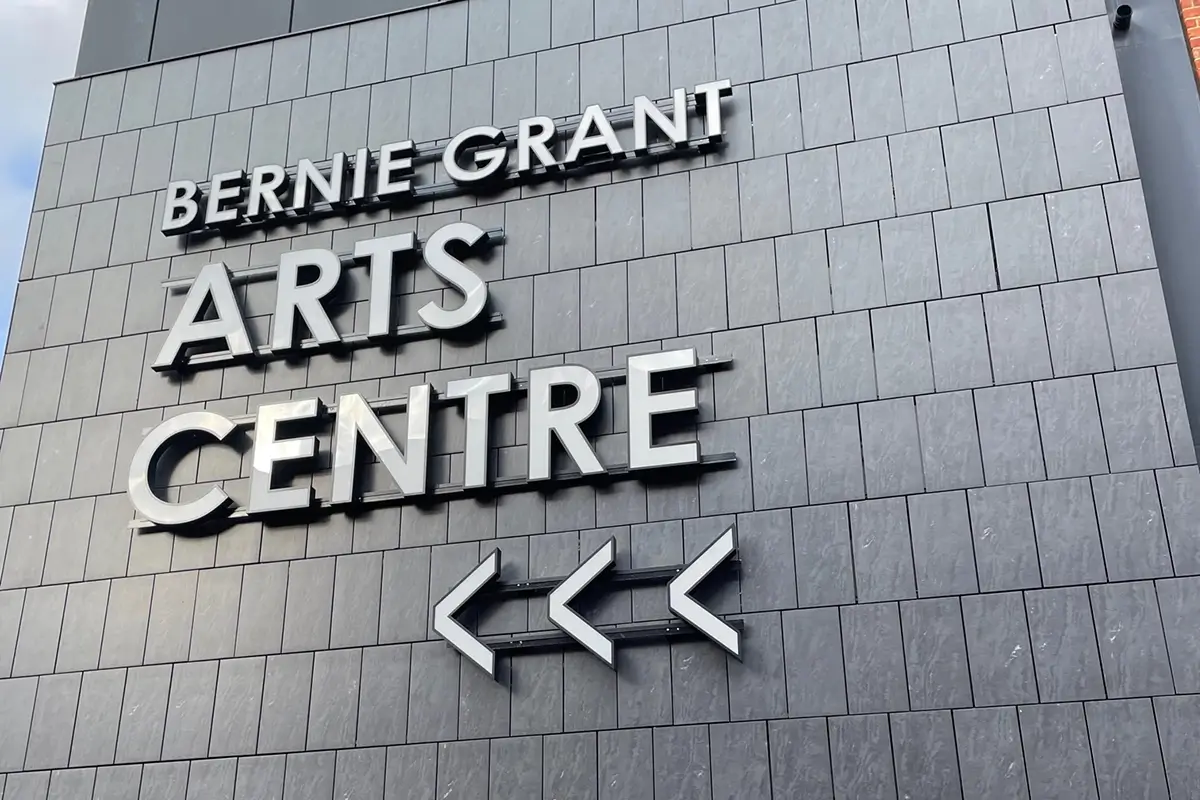
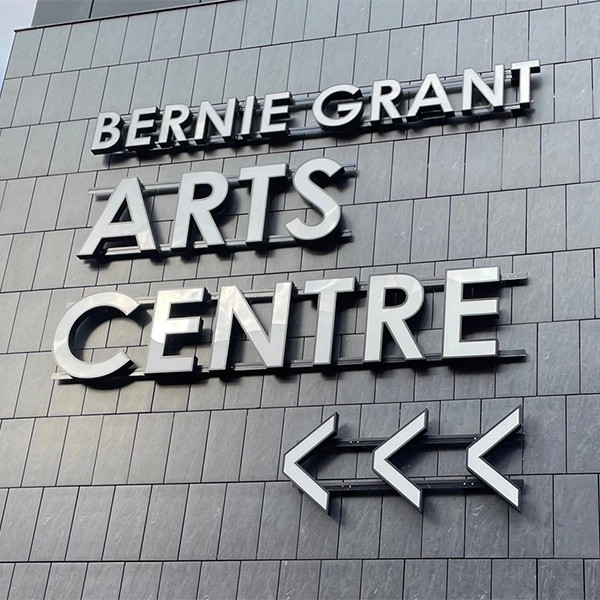
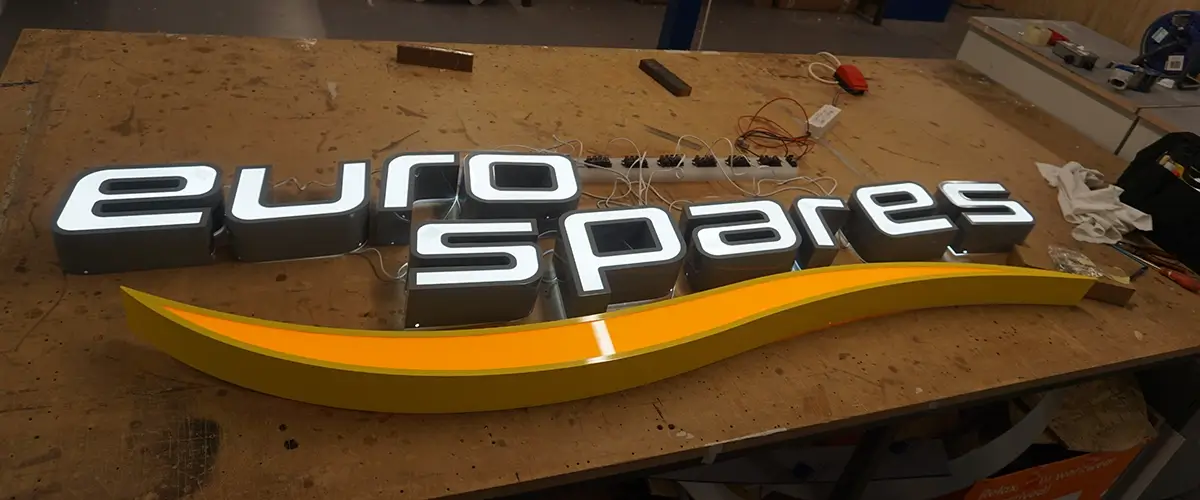
A rim and return sign is a 3D fabricated letter, shape or logo that’s made with a metal border (the “rim”) around an acrylic front panel, while metal side walls (“returns”) give it depth.Aluminium or steel are the materials normally used for rim and return. These signs are built to be tough and long-lasting, and they’re often internally lit for strong visibility.
 You’ll usually see them on premium shopfronts and office branding, either glowing from the face or creating a soft halo glow behind the lettering. LED modules are normally used for internal illumination with an acrylic face being lit from within. A whole host of colours, designs and finishes are available.
What designs can be produced as Rim and Return signs?
This is where a lot of signage projects either come together nicely or fall apart a bit. A logo that looks great on a screen doesn’t always translate cleanly into physical lettering. Fine details can disappear, and spacing that felt balanced digitally can look off once it’s on a wall at full scale.
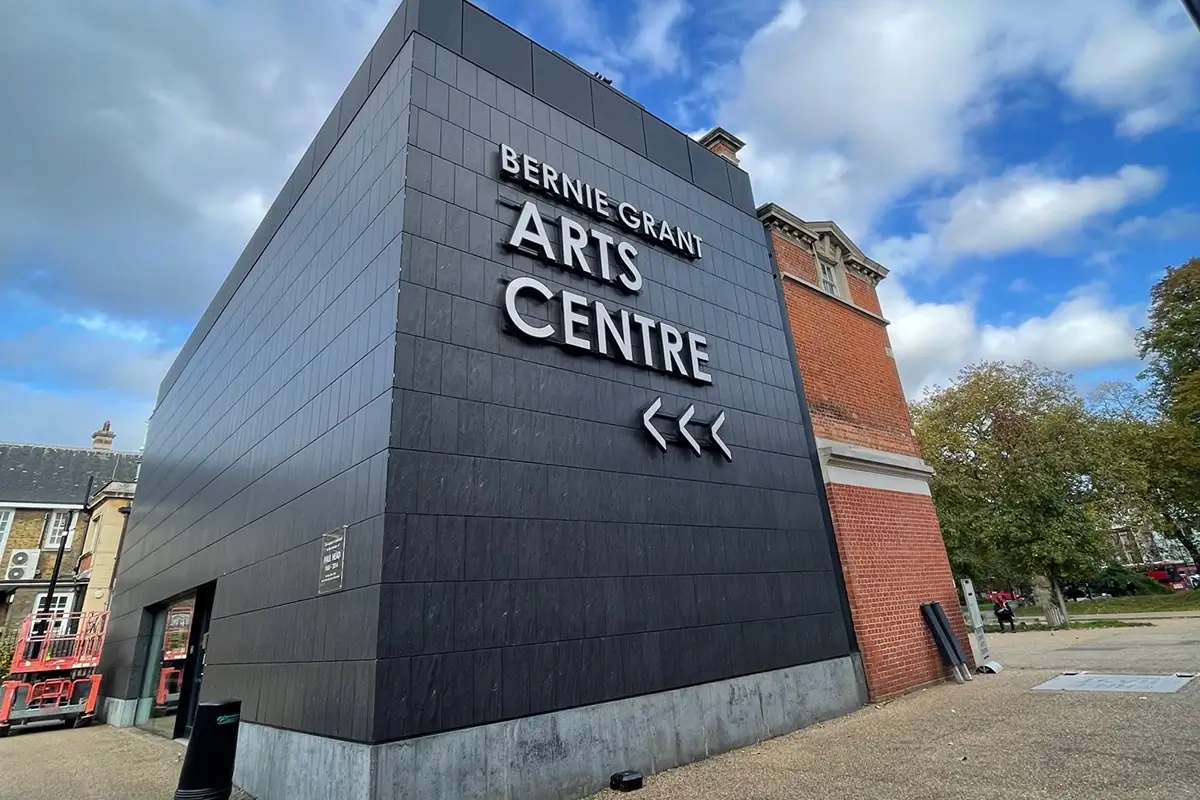 There’s also the question of depth. Some businesses go too shallow and end up with something that feels a bit underwhelming. Too shallow a return also means the light doesn’t have the space it needs to dissipate from the LEDs which can lead to ‘spotting’.Others go too deep and it starts to look heavy. Somewhere in the middle usually works best, but it depends on the building and the viewing distance. 100-150mm works well.
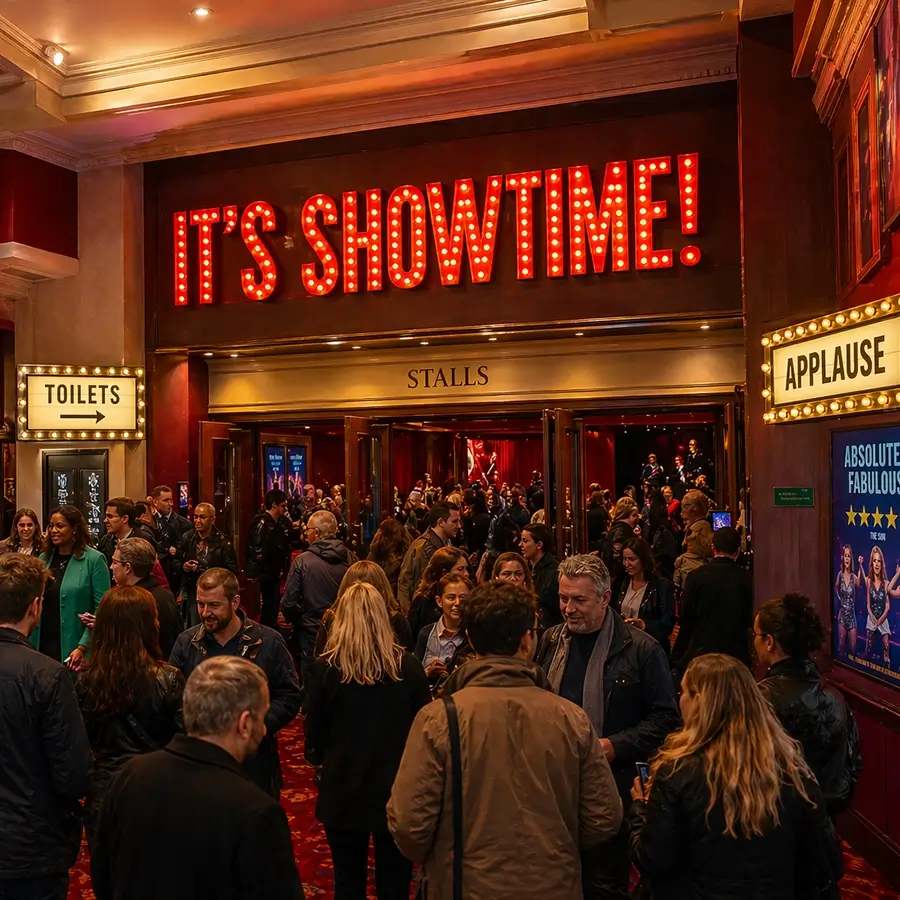
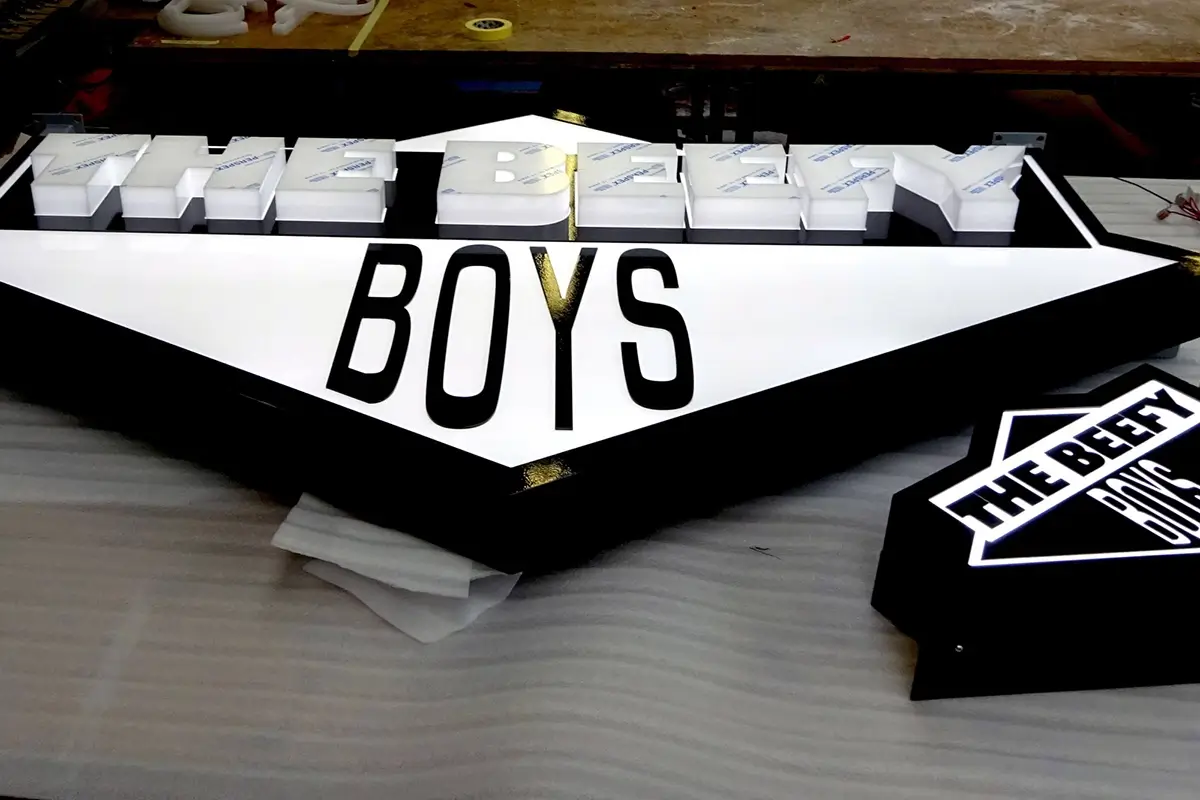 Lighting choices matter as well. A bright face-lit sign will grab attention straight away, which is useful in high-traffic areas. A halo-lit sign, where the light glows from behind the letters, tends to feel more subtle—often a better fit for offices, studios, or higher-end retail. None of these decisions are complicated on their own, but they add up quickly. Ask your expert signmaker, like Carousel Lights, for advice.
The signage choice that quietly does it’s job 24/7
Once the sign is up, it quietly does its job. During the day, the depth creates natural shadows that make the lettering easier to read. In the evening, if it’s illuminated, it keeps the business visible without needing anything extra switched on elsewhere.
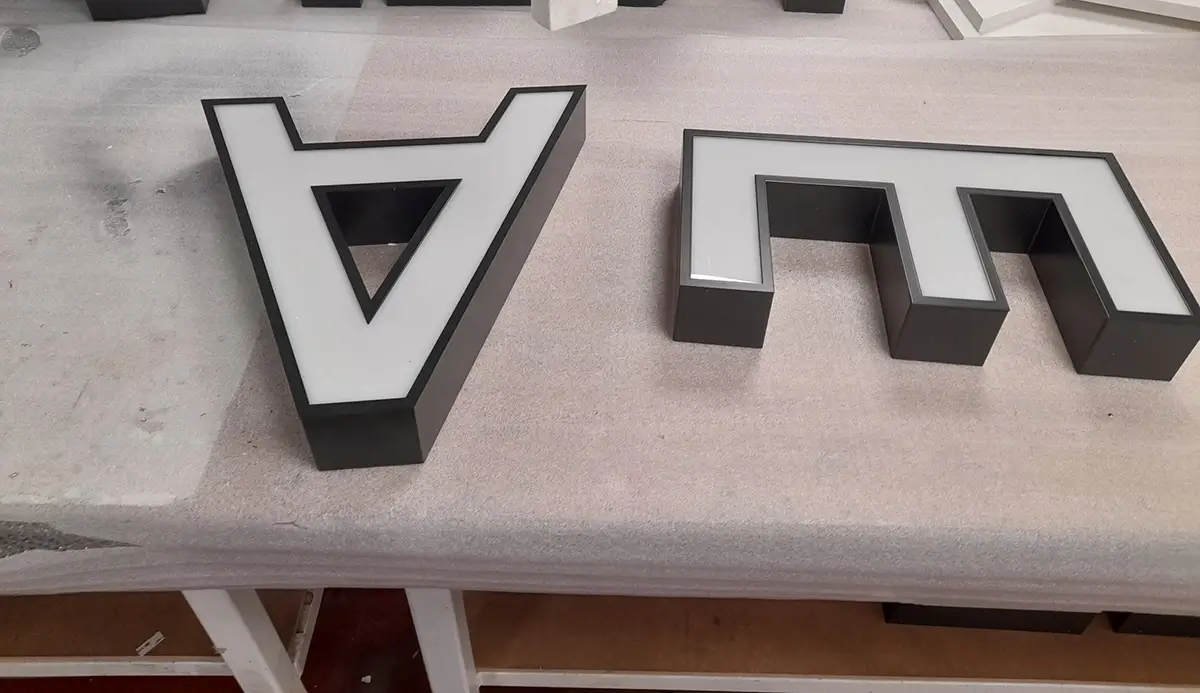 There’s also the impression it gives. People don’t stand there analysing signage, but they do form quick opinions. A well-made built-up sign tends to suggest that the business behind it is established and takes itself seriously. A flimsy or poorly finished one can have the opposite effect.
In areas where several businesses sit side by side, that difference becomes more obvious. You don’t need something over the top—just something that looks like it’s been done properly.
Why the Supplier You Choose Matters
This isn’t the kind of thing where the cheapest quote usually works out best. In fact, from our experience, it hardly ever does. ‘Pay cheap, pay twice’ as they say.
There are quite a few key parts: fabrication, finishing, wiring (if it’s lit), and installation. If any one of those is rushed or done badly, it shows. Working with a company like Carousel Lights generally means fewer surprises. The letters are made evenly, the finishes are consistent, and the lighting—looks the way it should, rather than patchy or uneven.
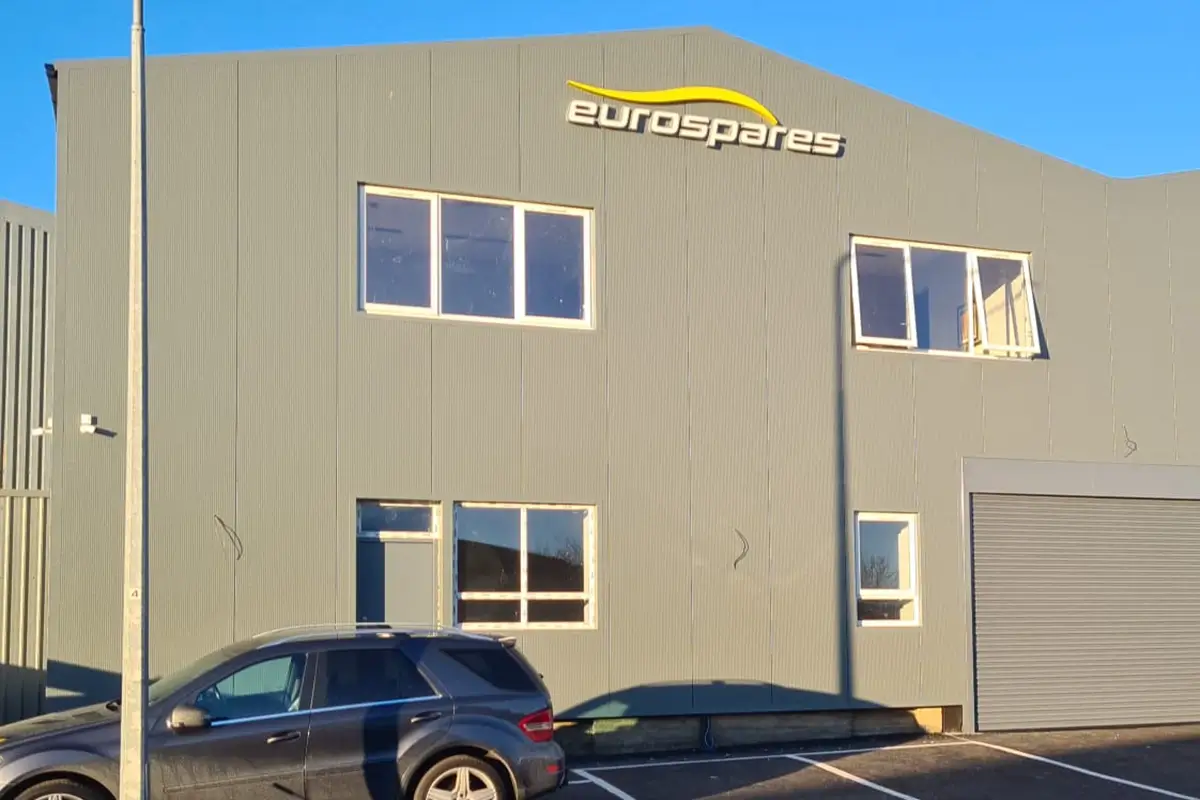 It’s also about materials. Outdoor signs take a fair bit of abuse from weather over time. Using decent-grade aluminium or acrylic helps avoid issues like fading, warping, or corrosion a year or two down the line. Installation is another one that’s easy to underestimate. Slight misalignment or uneven spacing can throw off the whole look, even if the sign itself is well made.
Materials and Finishes
There’s more flexibility here than most people expect. Aluminium is common because it’s lightweight and holds up well outdoors. Acrylic is often used for the faces of illuminated letters, as it allows light to pass through cleanly. Stainless steel comes into play when a more polished or high-end finish is needed.
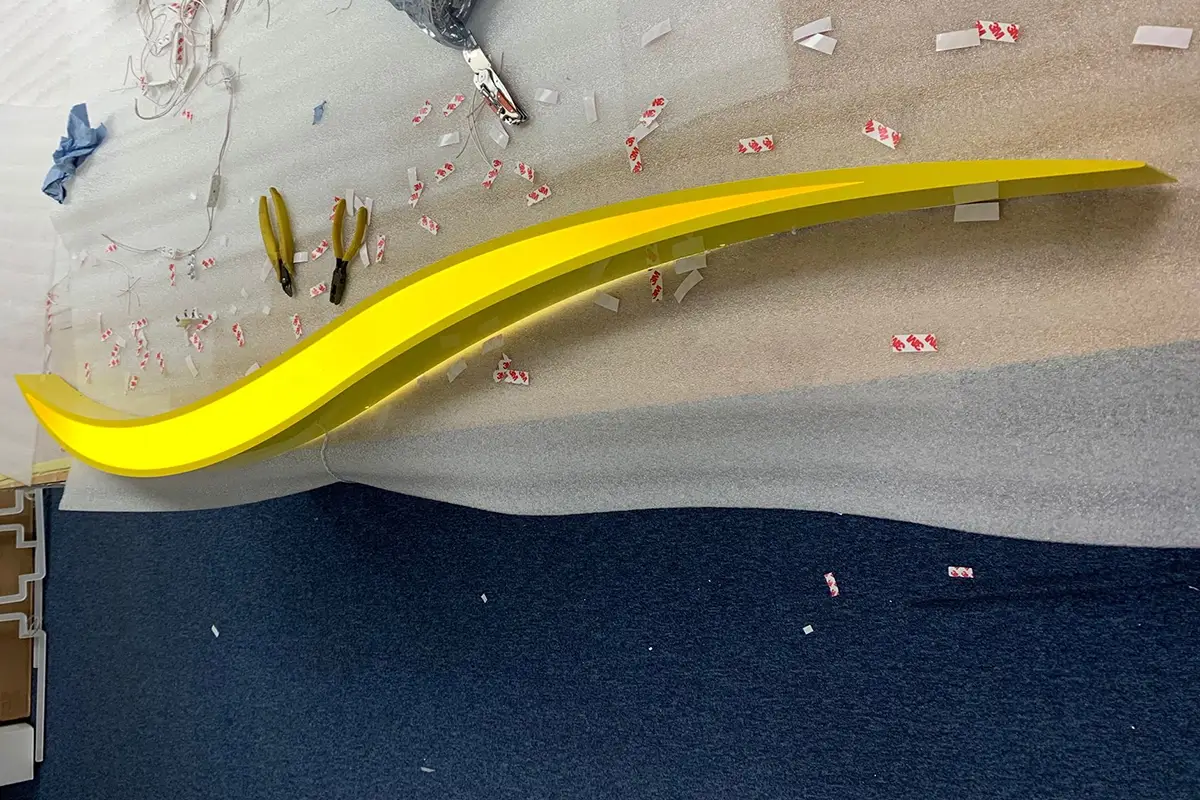 From there, it’s down to the finish—painted colours, brushed metal, polished surfaces. Nothing particularly complicated, but enough options to match most brand styles without forcing it.
Lighting Options
Lighting tends to split into a couple of main approaches. Face-lit letters are the most direct. They’re bright, clear, and easy to read from a distance, which makes them a safe choice for busy locations.
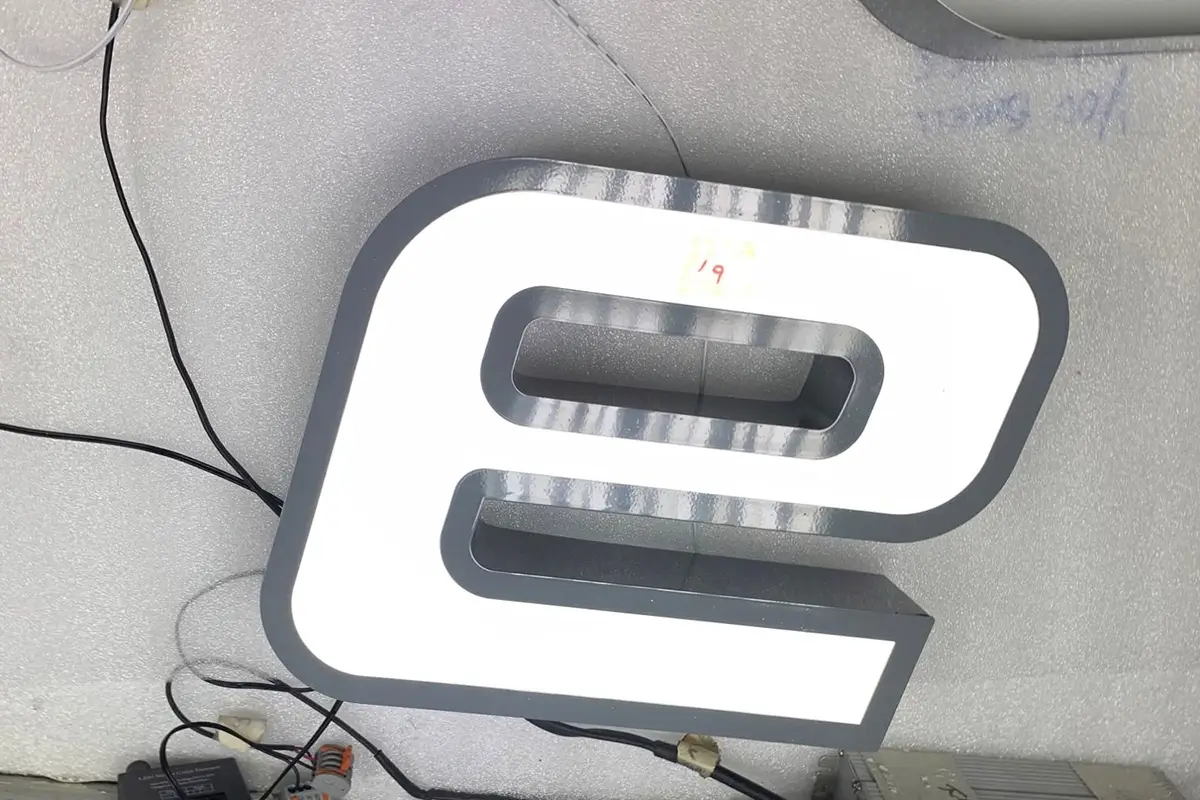 Halo lighting is quieter. The light sits behind the letters and creates a glow against the surface they’re mounted on. It’s less about grabbing attention and more about creating a clean, considered look. LEDs are standard now, mainly because they last and don’t use much power. Once installed, they tend to just get on with it.
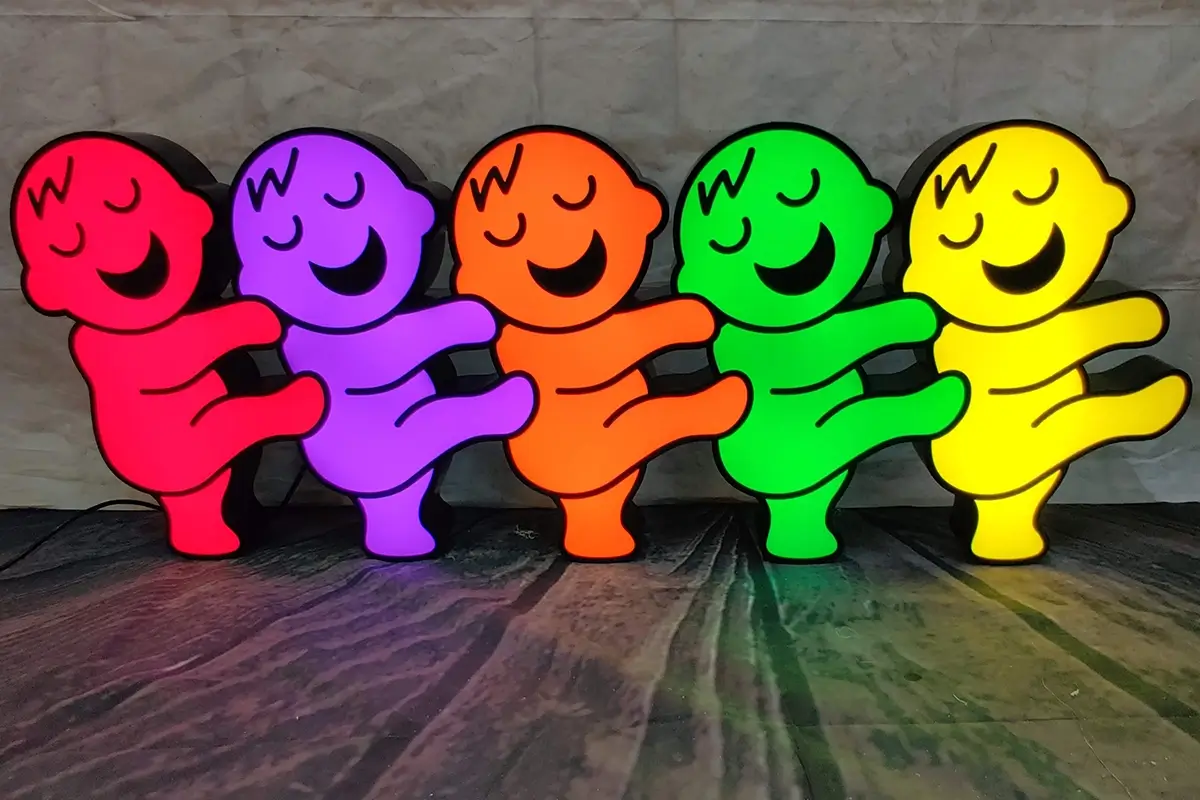
We can add RGB illumination, as well as offering controllers and even DMX.
Cost vs Value
There’s no getting around it—rim and return built-up signs cost more than flatcut panels. But once you’ve made that investment and they’re up, that’s it. Spread over several years, the cost tends to even out, especially when you factor in how much use the sign actually gets. Rim and return built-up signs aren’t new, and they’re not trying to be.
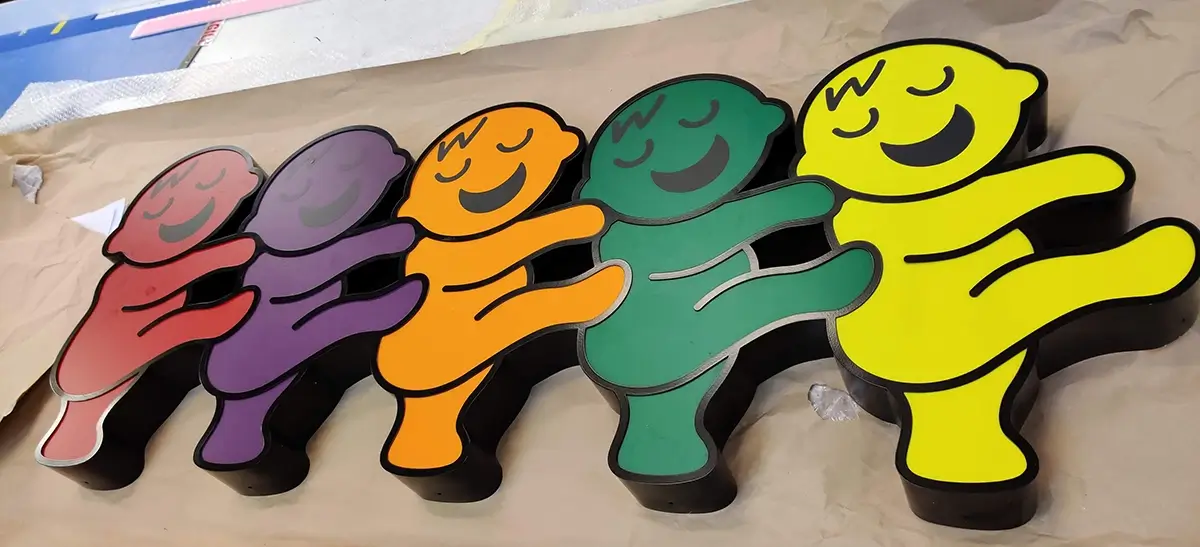 They’ve stuck around because they do exactly what’s needed without making a fuss about it. They look solid, they hold up well over time, and they present a business in a way that feels considered rather than rushed. Get the design right, use decent materials, and work with someone who knows what they’re doing, and the end result usually speaks for itself.