The Complete Guide to Backlit Signs
Part 1: What They Are and Why They Work
If you walk down any UK high street in the evening, it’s pretty obvious which businesses are winning the visibility game. It’s not always the biggest shop or the best location. More often than not, it’s the one with the sign you can actually see.
That’s the whole point of backlit signage.
It’s not about being flashy for the sake of it. It’s about making sure your business doesn’t disappear the moment the light drops or the weather turns dull—which, let’s be honest, happens a lot here in the UK.
A well-made illuminated sign doesn’t just sit there. It works constantly. It pulls attention, makes the brand clearer, and gives people a reason to notice you instead of the place next door.
What Backlit Signs actually are
At its simplest, a backlit sign is just a sign with lighting built into it.
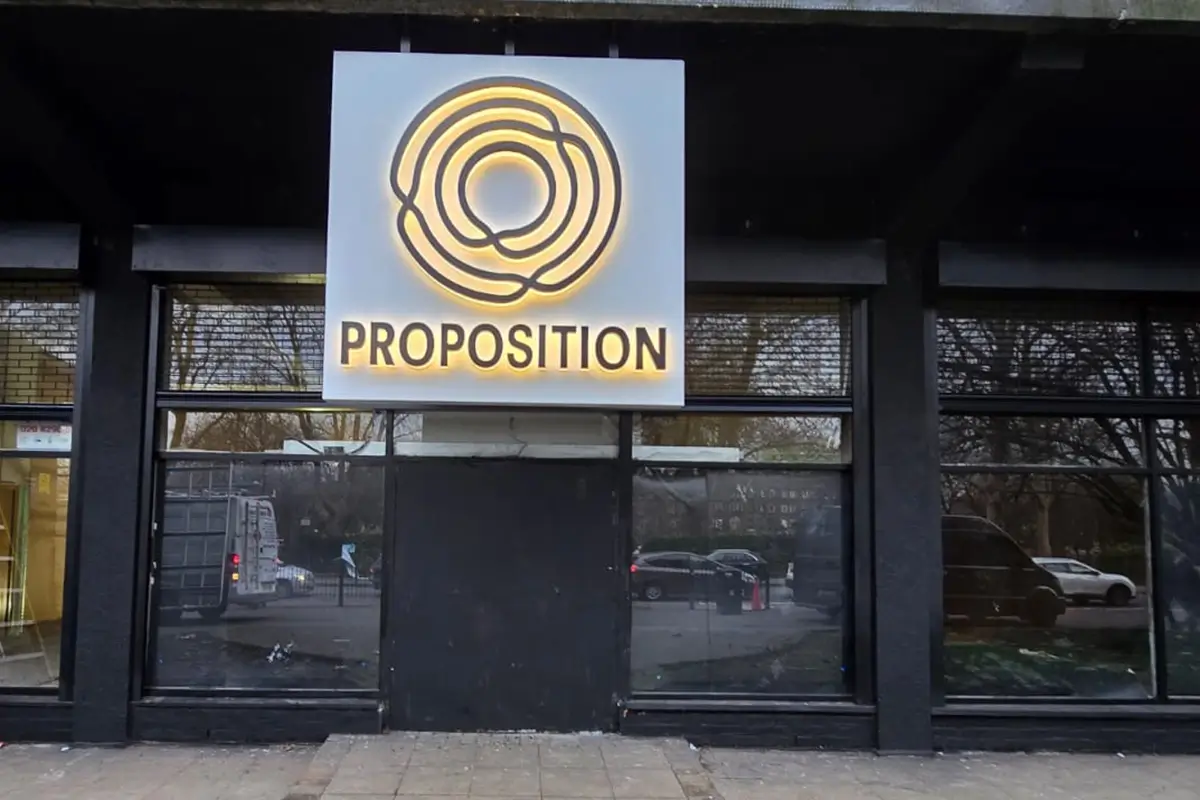
Instead of relying on daylight or overhead lighting, it lights itself up from behind using LEDs. That light either shines through the face of the sign, around the edges of letters, or across a panel. There’s no secret formula to it, but the difference it makes is huge.
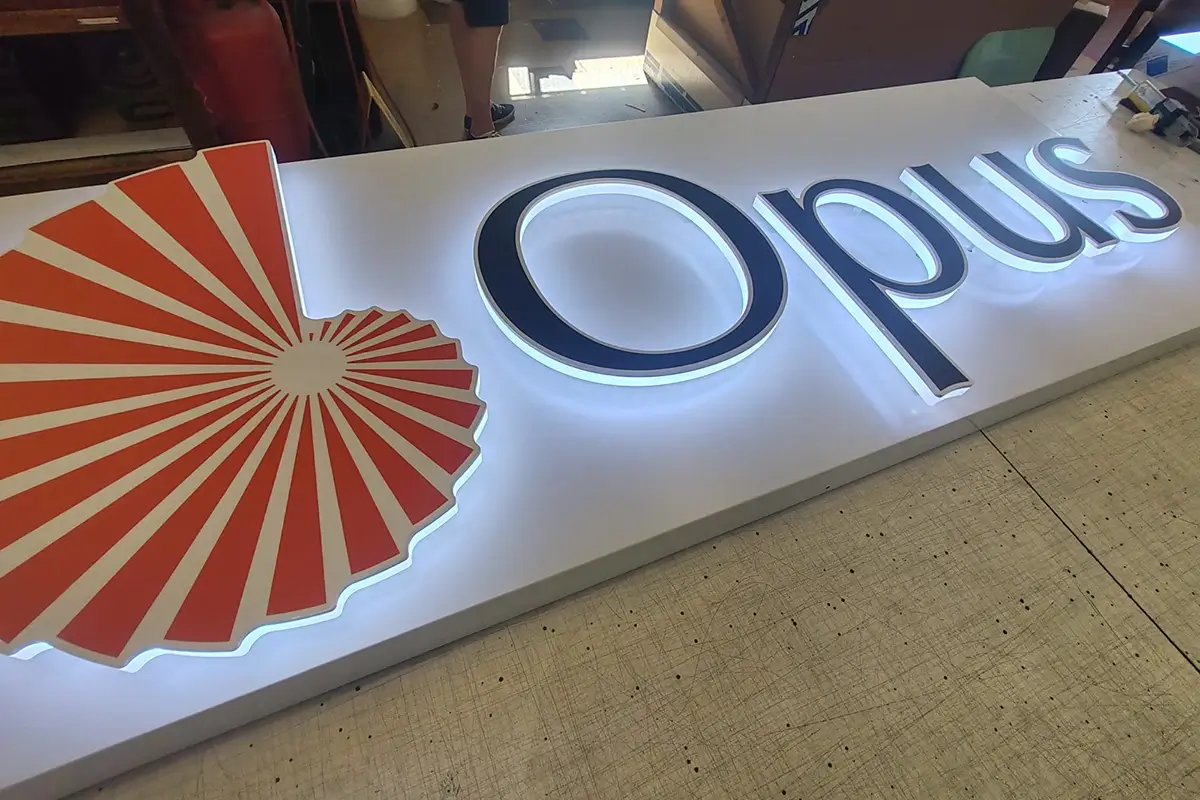
Every backlit sign is basically made up of three things: a structure to hold it together, a face where the design sits, and lighting behind it. How those are put together changes the look completely. Some signs are bright and bold. Others are more subtle. Same idea, different execution.
Why businesses invest in Backlit Signs
It comes down to one thing: being seen.
A standard sign is fine during the day. But once the light drops, it starts to fade into the background. A backlit sign doesn’t have that problem. It looks the same at 2pm as it does at 10pm. There’s also the attention factor. People notice light. Then there’s perception. A clean, well-lit sign gives off a more professional feel. It suggests the business has put some thought into how it presents itself. That matters more than people like to admit.
The Main Types You’ll See
Not all backlit signs look the same, and choosing the right type actually makes a big difference.
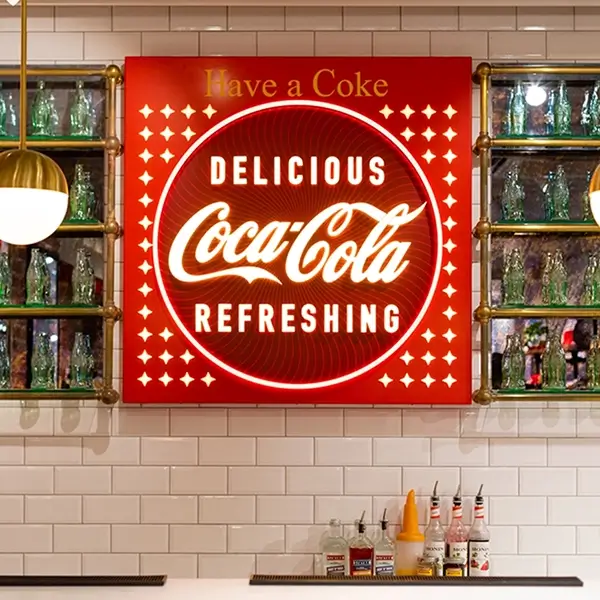
Lightboxes are the most common. They’re the ones with a full panel that lights up evenly. You see them everywhere—shops, menus, shopping centres. They’re reliable and do the job.
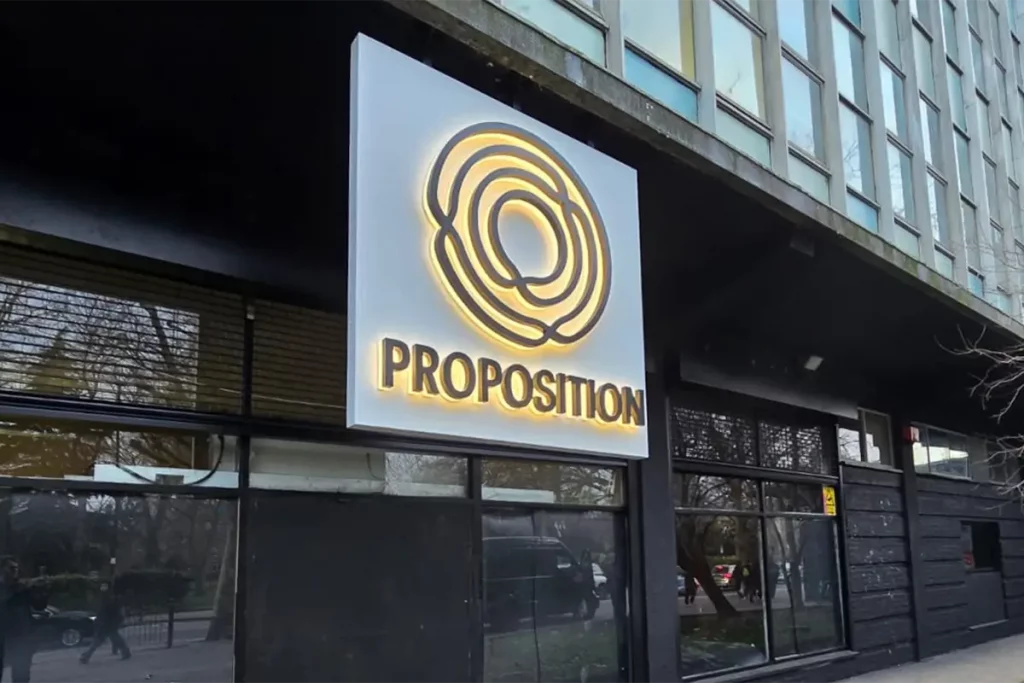
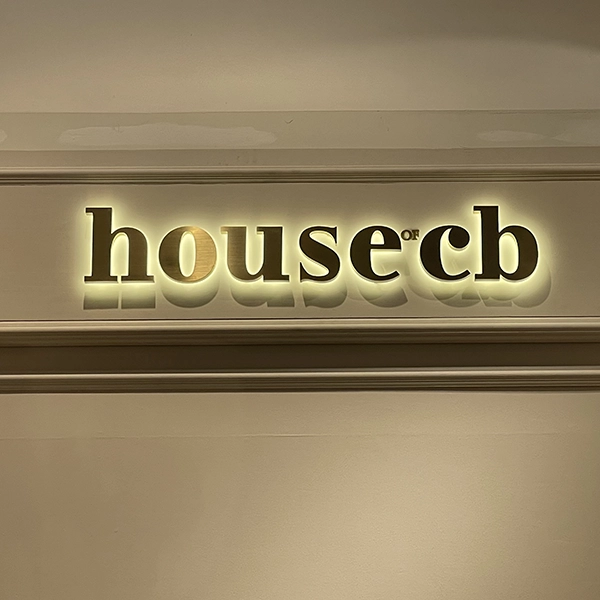
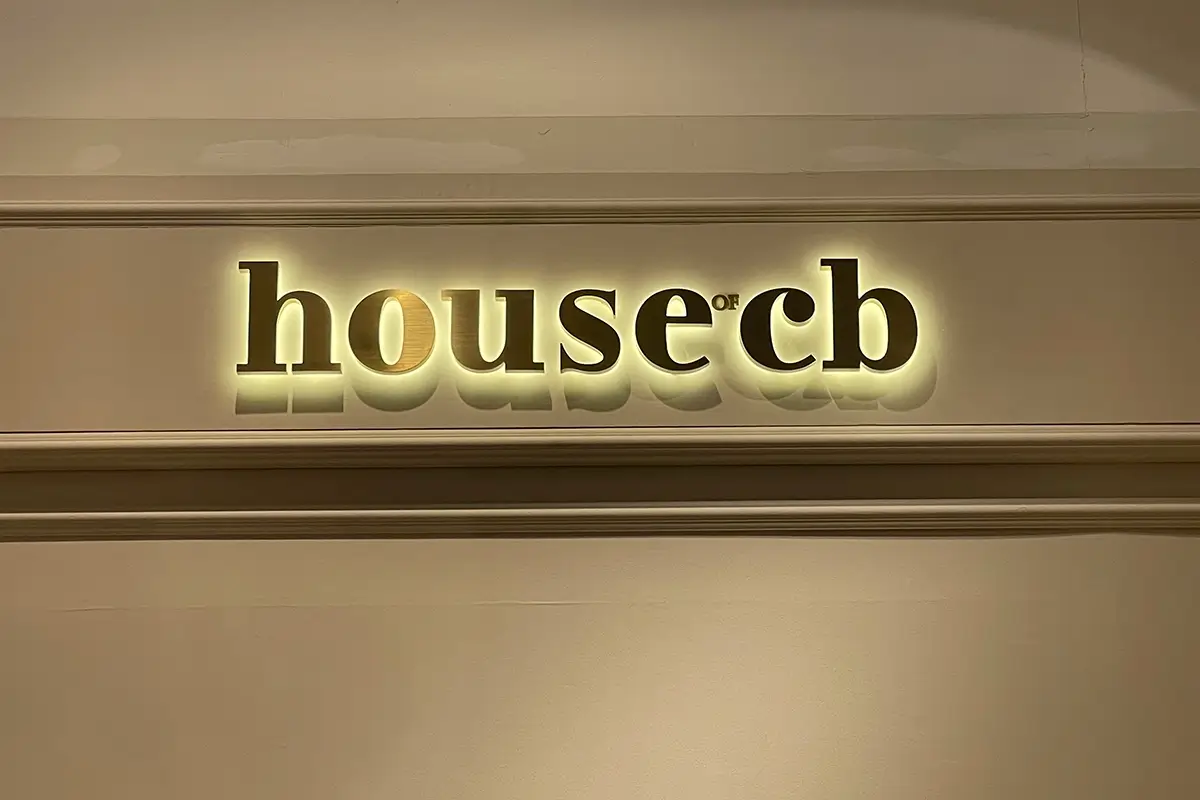
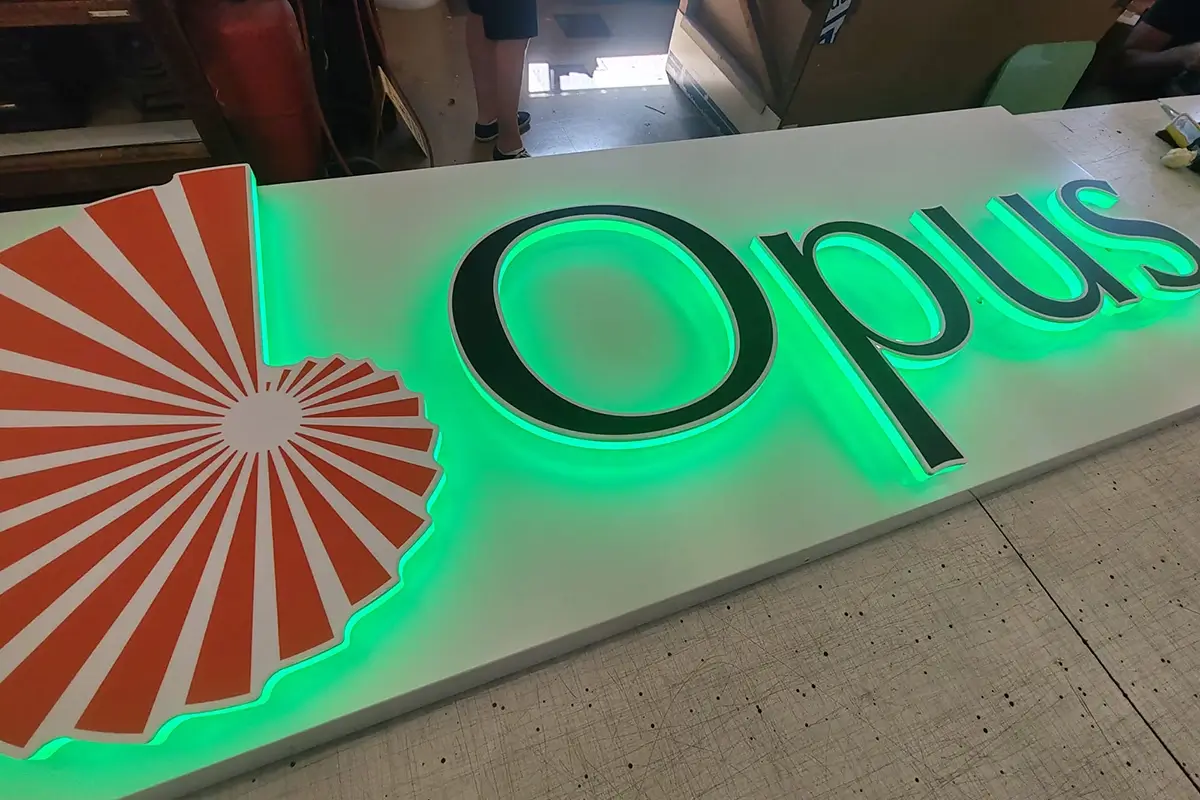
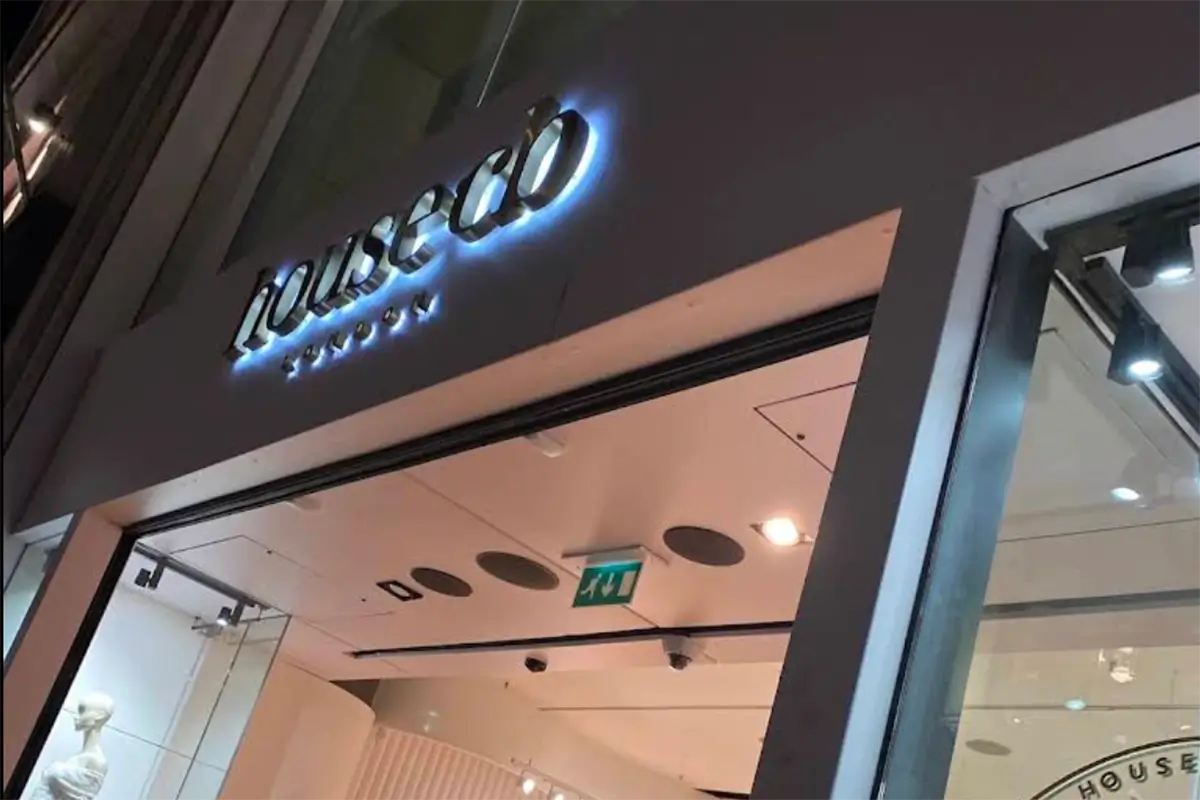
Then you’ve got halo-lit letters. These don’t light up from the front. Instead, they glow from behind, creating a soft outline on the wall. They’re more subtle and usually used by businesses going for a cleaner, more high-end look.
Face-lit letters are the opposite. They’re bright, direct, and hard to miss. Each letter lights up from the front, which makes them ideal for busy areas where you need to stand out quickly.
Edge-lit signs are more of an indoor thing, and though strictly edgelit not backlit, they use lighting along the edges of a panel, which makes engraved or printed areas glow. You’ll see these in offices and reception spaces.
Materials (what they’re actually made from)
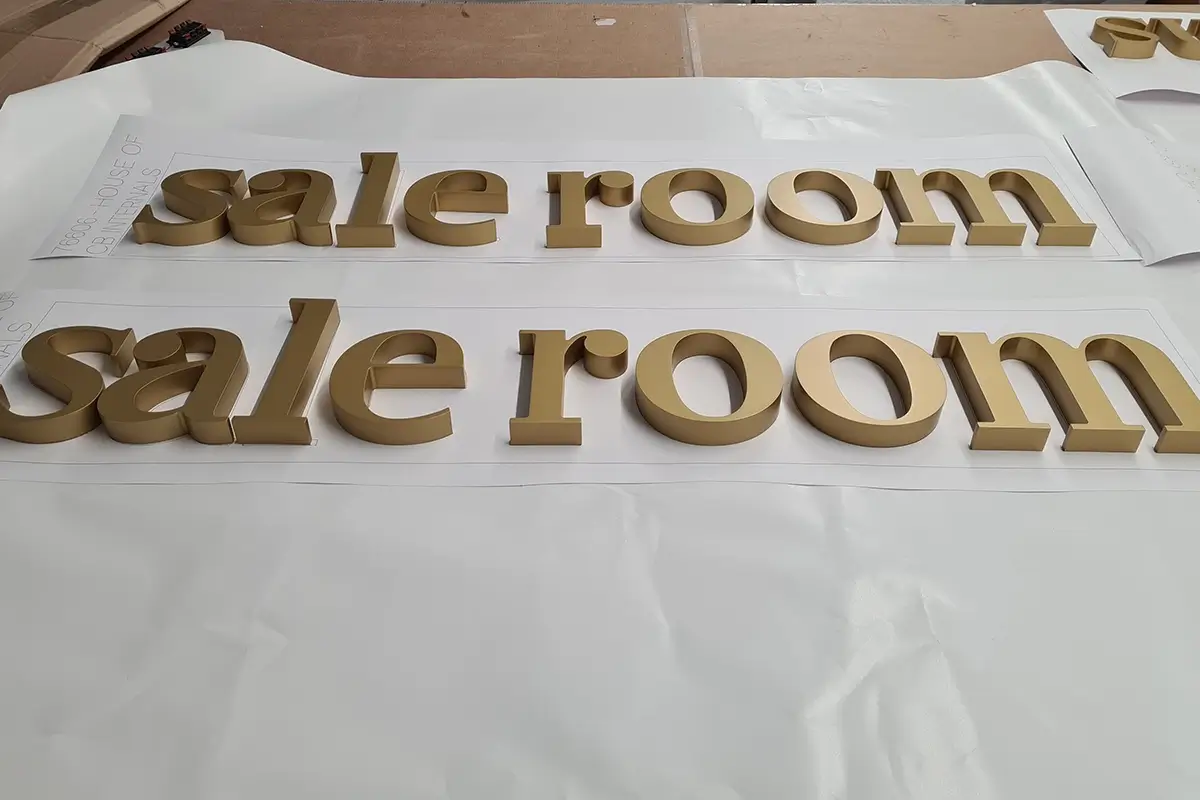
Most people don’t think about materials, but they matter more than you’d expect. Acrylic is used a lot because it spreads light evenly. It’s lightweight and easy to work with, which makes it ideal for illuminated signs.
Aluminium is usually used for the structure. It’s strong, doesn’t rust, and holds up well outdoors. It’s great for channel lettering and builtup shapes and words.
For graphics, you’ll often get translucent vinyl applied to a panel so the light can pass through properly without losing colour.
Why LEDs changed everything
Back in the day, signs used fluorescent tubes and neon sections for internal and backlit illumination. They worked, but they weren’t as good as they could be – illumination was sometimes uneven and they required a higher degree of maintenance. LEDs fixed a lot of that.
They’re efficient, long-lasting, and give off a much cleaner light. They also don’t run as hot, which makes them safer and more reliable.
From a business point of view, they just make sense. Lower running costs, fewer issues.
Design is where most signs go wrong
This is the bit people underestimate. You can’t just take a logo, stick a light behind it, and expect it to work perfectly. Some designs look great on a screen but fall apart when they’re lit. Colours behave differently. Thin fonts disappear. Poor spacing becomes obvious.
The best signs are simple. Clear name, strong contrast, nothing unnecessary.
If someone has to stop and figure out what your sign says, it’s not doing its job.
Where Backlit Signs work best
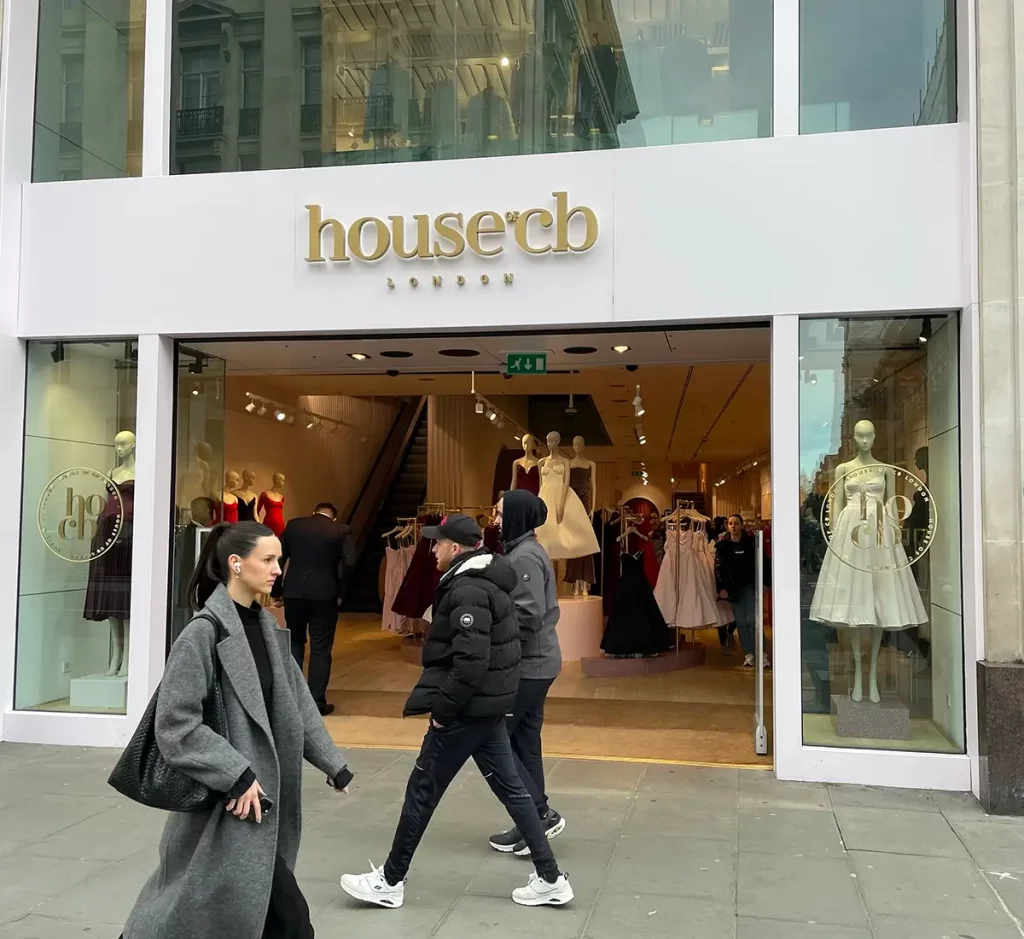
Pretty much anywhere visibility matters. Retail shops use them to pull people in. Restaurants rely on them at night. Offices use them to reinforce branding inside. Events use them to stand out in crowded spaces. If there’s competition for attention—and there usually is—lighting gives you an edge.
 Installation and upkeep
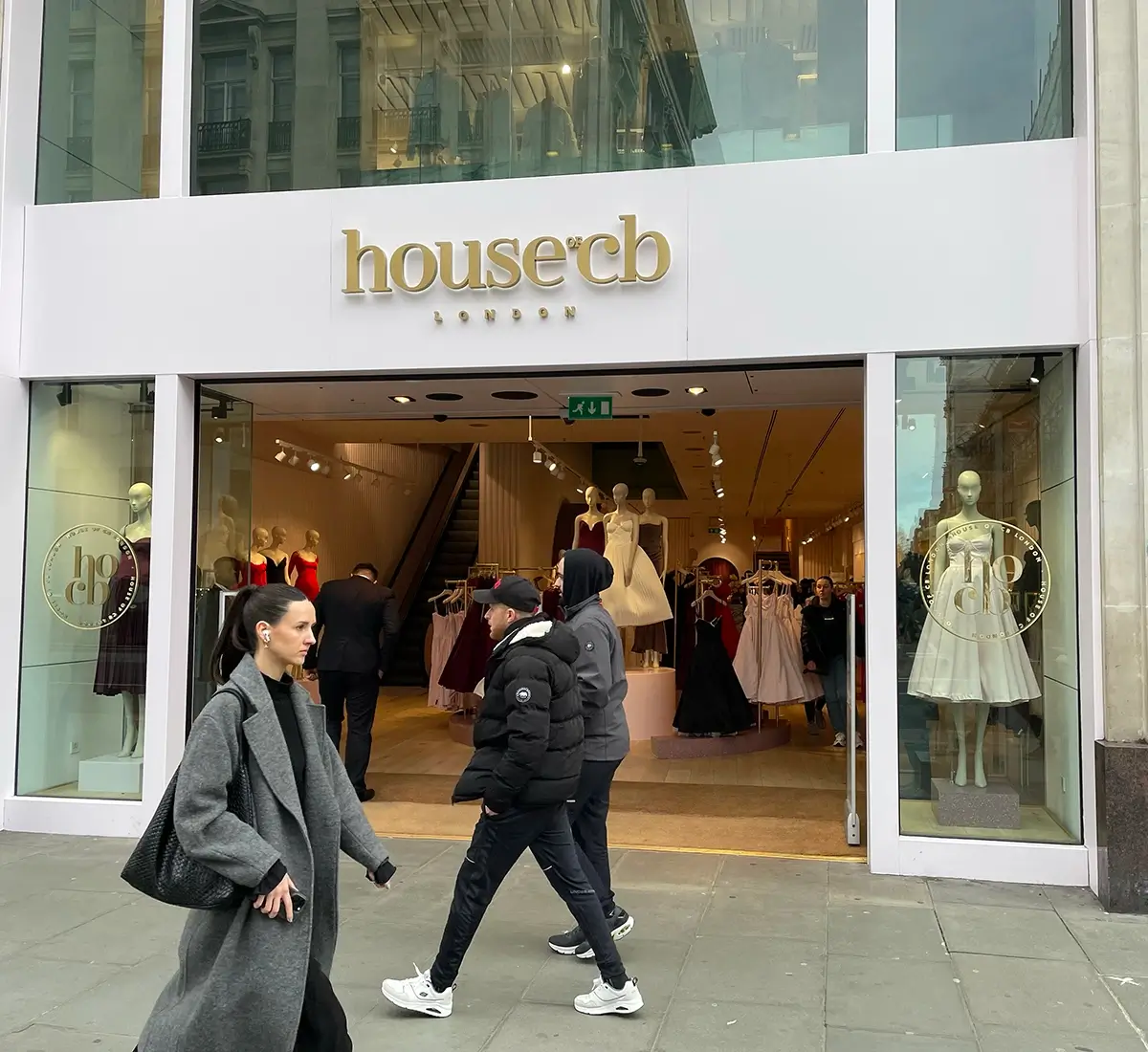
Installation depends on where the sign is going. Outdoor signs need to be fixed properly, sealed against the weather, and wired safely. Indoor signs are simpler but still need to be installed cleanly. Whenever we get asked for advice on installation, we always give the same response, and that’s to use an expert to install it for you.
Maintenance is fairly minimal these days. Keep it clean, keep an eye on the lighting, and it’ll last for years.
Part 2: Cost, Planning, and Getting It Right
What do Backlit Signs cost?
This is a question we’re often asked, and is where people want a straight answer, but it’s never that simple. A basic lightbox is usually the most affordable option. Once you move into custom-built letters or more detailed designs, the cost goes up.
Size, materials, installation access, and complexity all play a part. The key thing is not to treat it as a quick expense. A good sign lasts years and plays a role in bringing people through the door. A cheap one often ends up being replaced.
It’s not unusual for us to be asked to quote for a sign and to then receive an email several months later saying “my client used a supplier in the Far East and they’re not happy with it, so is your quote still valid please?”.
“Buy cheap, buy twice” as they say.
Running Costs
Thanks to LEDs, running costs are pretty low. You can leave a sign on all day without it making a noticeable dent in your electricity bill. That’s a big reason why most businesses don’t bother turning them off. That said, anything has a lifespan and we don’t like energy to be wasted, so only have your sign turned on when it needs to be.
Planning Permission (UK)
This is the bit people ignore until it becomes a problem. Different building and different situations have different rules. Deemed consent, conservation areas and listed buildings are all terms that may come into play. As with anything, get advice from an expert first.
Indoor vs Outdoor
Indoor signs give you more freedom. You don’t have to worry about weather, so materials and finishes can be more flexible. Outdoor signs need to be built to last. Rain, wind, temperature changes—it all adds up.
Most businesses end up using both. Exterior signage to attract attention, interior signage to reinforce the brand.
Common mistakes
A few things come up again and again.
Trying to cram too much into the design is a big one. More information doesn’t mean more impact—it usually just makes things harder to read.
Bad placement is another. Even a great sign won’t work if people can’t see it properly.
And then there’s cutting corners on quality. It might save money upfront, but it rarely pays off long term. If you’re on a busy high street, you probably need something bold and easy to read. If you’re a higher-end brand, something more subtle might work better. It depends on your location, your audience, and how you want to be seen.
Choosing the Right Signmaker
This part matters more than people think.
A good signmaker doesn’t just build what you ask for—they’ll tell you if something won’t work and suggest a better approach. Experience shows in the details. Things like lighting balance, materials, and installation all make a difference.
Part 3: What Actually Makes a Sign Work
Why some signs get ignored
People don’t stand there and study signs. They glance. You’ve got a second or two to make an impression. That’s it. The signs that work are the ones that are instantly clear. No effort required. If someone has to think about what they’re looking at, you’ve already lost them.
Contrast is everything
If the contrast isn’t right, the sign won’t work—simple as that. You need a clear difference between the text and the background. That’s what makes it readable at a distance. Lighting helps, but it won’t fix poor contrast.
Keep it simple
This is where most designs fall apart. Less is often more when it comes to backlit custom signage. Too many elements, too much text, too many ideas competing. The best signs are usually the simplest ones. Name, logo, done. A backlit halo effect will bring all of these elements to life fabulously.
Distance Matters
A sign isn’t meant to be viewed from one spot. You have to think about how far away people will be when they see it. That affects everything—letter size, spacing, thickness. Get that wrong, and the sign won’t perform properly. Will people be taking photos of it from down below (eg a shop sign or a building façade) or will they be taking selfies of it at short range. Think about all of these perspectives in advance so that you’re happy once your installer fixes the sign into its final position.
Lighting sets the tone
Different lighting styles create different feelings. Bright, front-lit signs feel energetic and direct. Halo-lit signs feel softer and more refined. Neither is better—it just depends on the business.
Using signage as part of your brand
A sign isn’t just a label. It’s part of how people recognise your business. Over time, people associate that look with your brand. That’s why consistency matters, especially if you have more than one location. Your sign should incorporate your brand codes (any Brand Marketing experts out there) such as palette, typeface, font and tone.
Real-World use
Retail needs visibility. Hospitality needs atmosphere. Offices need something clean and professional. Marketing and Advertising campaigns need brand-building. Same tool, different approach.
At the end of the day, backlit signage isn’t complicated—but doing it properly makes all the difference. It’s about being seen, being clear, and presenting the business in the right way. Get those things right, and the sign does its job.